

A step by step explainer and FAQ for brands, businesses and domain decision makers wanting to understand the 2026 round of the Internet Corporation for Assigned Names and Numbers (ICANN) New gTLD Program.
When ICANN launched its first round of new gTLDs in 2012, hundreds of companies seized the opportunity to apply for their own branded Top-Level Domains (TLDs), known as dotBrands. Custom namespaces such as .audi, .leclerc, and .bnpparibas were born to life.
A decade later, the results have been mixed. Some brands have integrated their TLDs into a successful digital identity strategy, while others, like .maserati, barely used theirs before quietly terminating them.
What separates the success stories from the disappointments?
One word: PREPARATION.
Behind that preparation lies a core principle of stakeholder buy-in.

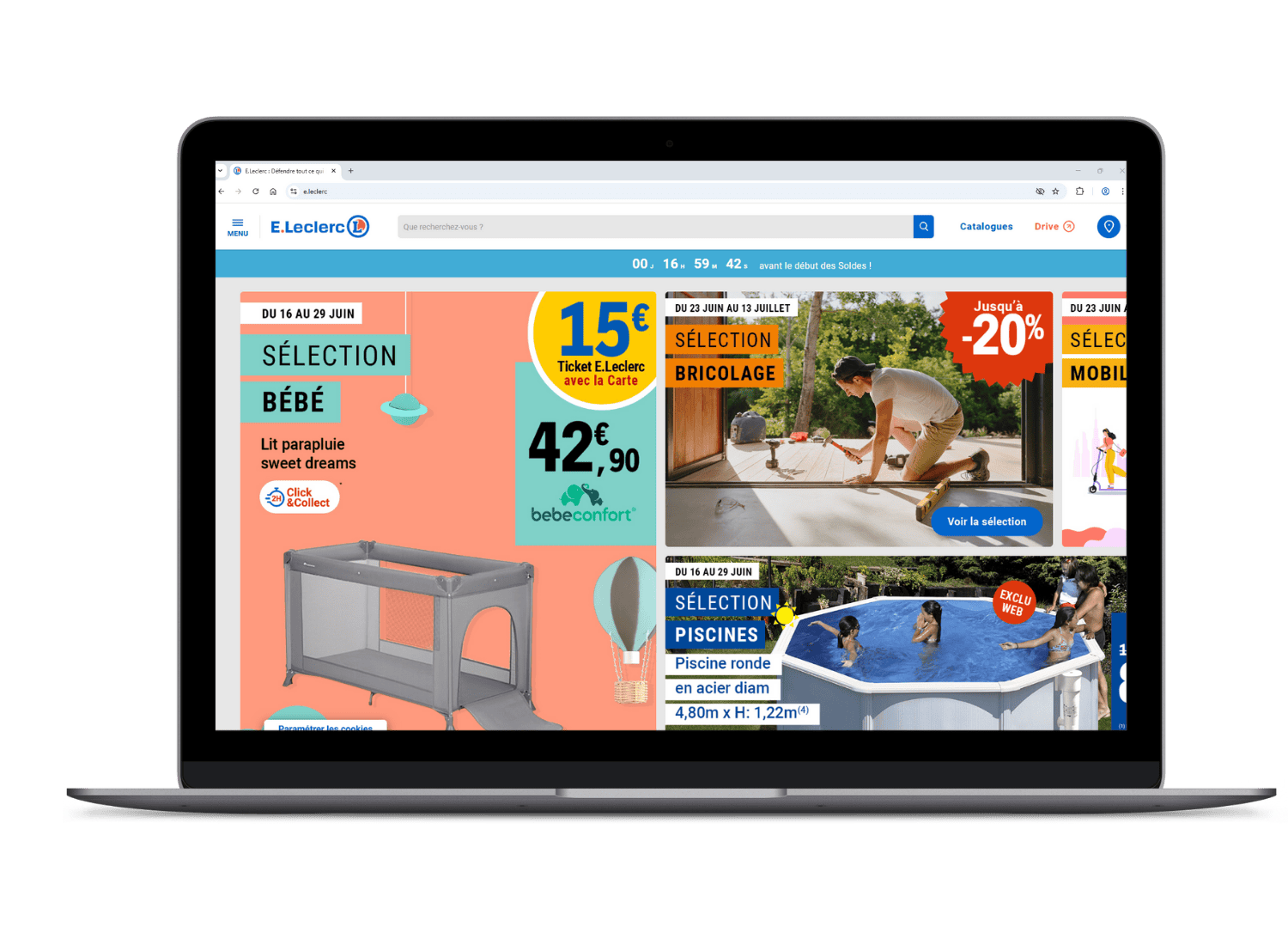
The French retail giant E.Leclerc has become a case study in dotBrand success. From traiteur.leclerc for local catering to location.leclerc for car rentals, the brand has embraced the TLD across multiple service lines. It is more than a vanity domain .leclerc is a unified, trusted, and flexible platform that enhances brand recognition and customer trust.

Similarly, Audi uses .audi for its owner manuals at manuals.audi. Their integration shows strong IT coordination and a clear branding strategy demonstrating that when a dotBrand is treated as a long-term asset, it can unify product and service information through its digital infrastructure globally.

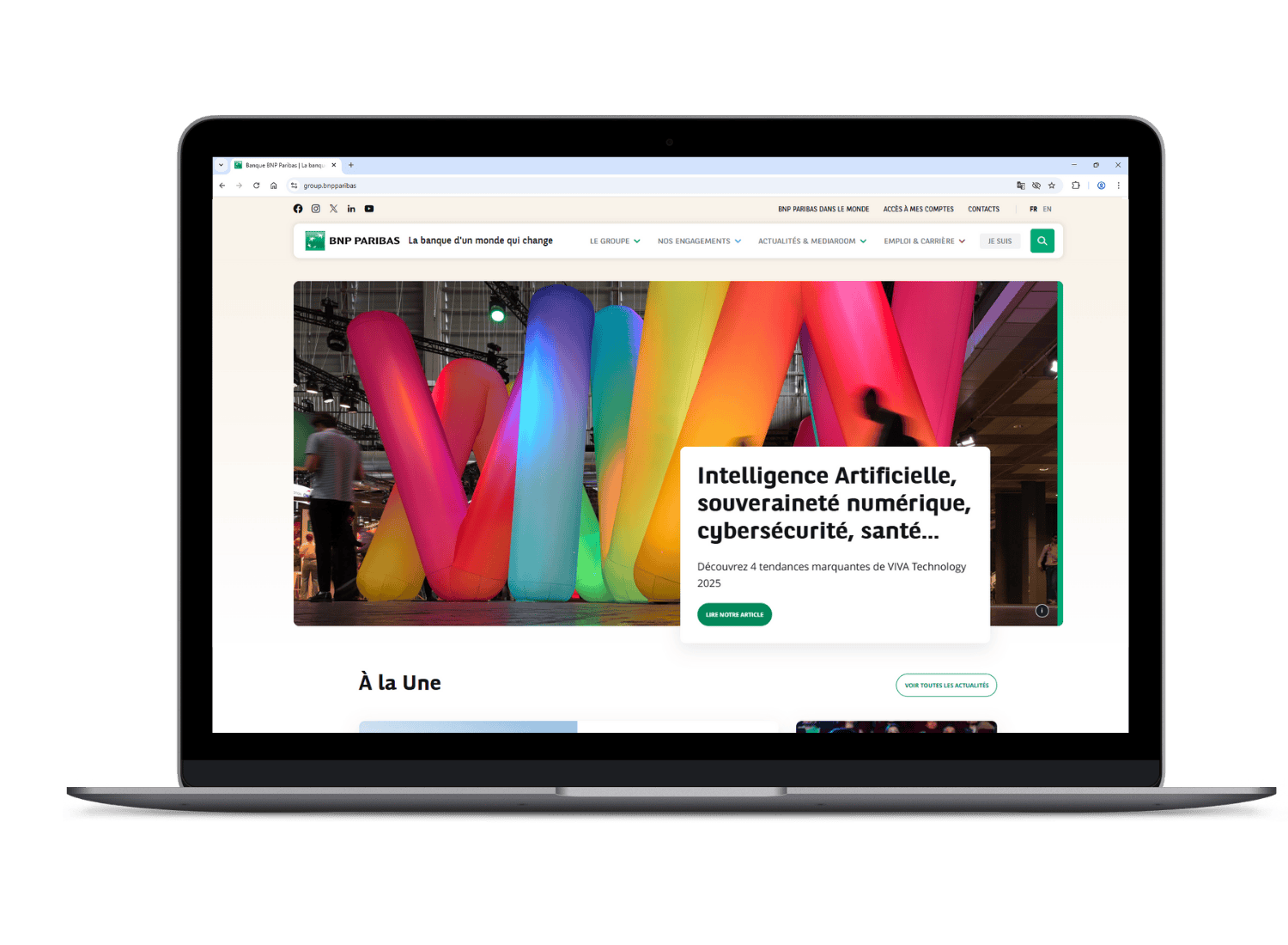
The banking powerhouse BNP Paribas transitioned away from .com entirely, operating fully under .bnpparibas. This is more than a branding statement it is a strategic move to strengthen cybersecurity, reduce online risk, streamline digital identity, and ensure customers engage with authentic digital content.
By contrast, brands like Maserati, Zippo, MetLife and Mont Blanc applied for and were granted dotBrand TLDs only to abandon them later. So what do we assume went wrong?
- Lack of internal alignment: IT, legal, and marketing teams may not have been consulted or did not see the value.
- No use case strategy: Without a plan beyond redirection or a vanity URL, the TLD remains unused.
- Operational resistance: Changes to web infrastructure, DNS management, and content workflows were not prioritised.
- Missed education: Leadership teams often misunderstood the difference between owning a dotBrand and simply registering a domain.
- Costs: They were probably borne by a single department.
Ultimately, these dotBrands were not integrated into the brand’s digital roadmap and the TLDs disappeared quietly, underused or not used at all.
One of the most compelling arguments for a dotBrand is security.
- With a dotBrand, only the brand can register domains so there is no phishing, no typosquatting and no impersonation risks.
- Customers can trust every domain under the TLD without second guessing.
- For regulated industries (banking, pharma, energy), a dotBrand can serve as a defensible digital fortress.
Additionally, it offers long-term brand control. You are not dependent on third-parties and your namespace is entirely under your administration.
It is Not Just the TLD. It is What You Do With It!
The key takeaway? Owning a dotBrand is not a turnkey solution. It requires a clearly defined vision, preparation, and internal collaboration. Here is what successful applicants have in common:
Legal, IT, Marketing, Security, and Executive teams need to be aligned from day one. Each department has a role to play.
From email (info@brand) to campaign pages (launch.brand) or product portals (support.brand), successful dotBrands start with a practical rollout plan.
Treat your dotBrand as part of your core digital infrastructure, not just a marketing add-on. Update SEO strategies, DNS policies, internal templates, and security protocols to align with your new namespace.
With control comes responsibility. Policies around domain registration, DNS management, and misuse must be clearly defined and enforced internally.
A dotBrand TLD should not be viewed as a cost borne by a single department. It is a strategic digital asset that benefits the entire organisation. The costs of applying for, operating, and maintaining the TLD should be distributed among the departments that directly benefit from it, such as Marketing, Legal, IT, and Security.

With the next round of ICANN's new gTLD applications expected to open next year in April 2026, brand owners have another chance to take control of their digital identity. But success will depend entirely on how well prepared they are and how committed internal teams are to its long-term value.
A dotBrand is not just a domain. It’s an asset, a security layer, a branding tool, and a strategic advantage. When backed by the right planning and internal support, it can transform the way your customers find, trust, and interact with you online.