What Is HTTPS and SSL?
Discover what HTTPS and SSL are, and why HTTPS is crucial for website security.
25 Jun 2025
Learn more


As a brand owner, you have likely invested significant time, effort, and money into building and promoting your brand. So, when someone registers a domain name that closely resembles your brand or trade mark, it can be incredibly frustrating. This act of domain name theft is known as cybersquatting. But what exactly is cybersquatting, and how can it harm your brand? In this article, we will explore the concept of cybersquatting, its risks, and the steps you can take to protect your digital assets from this threat.
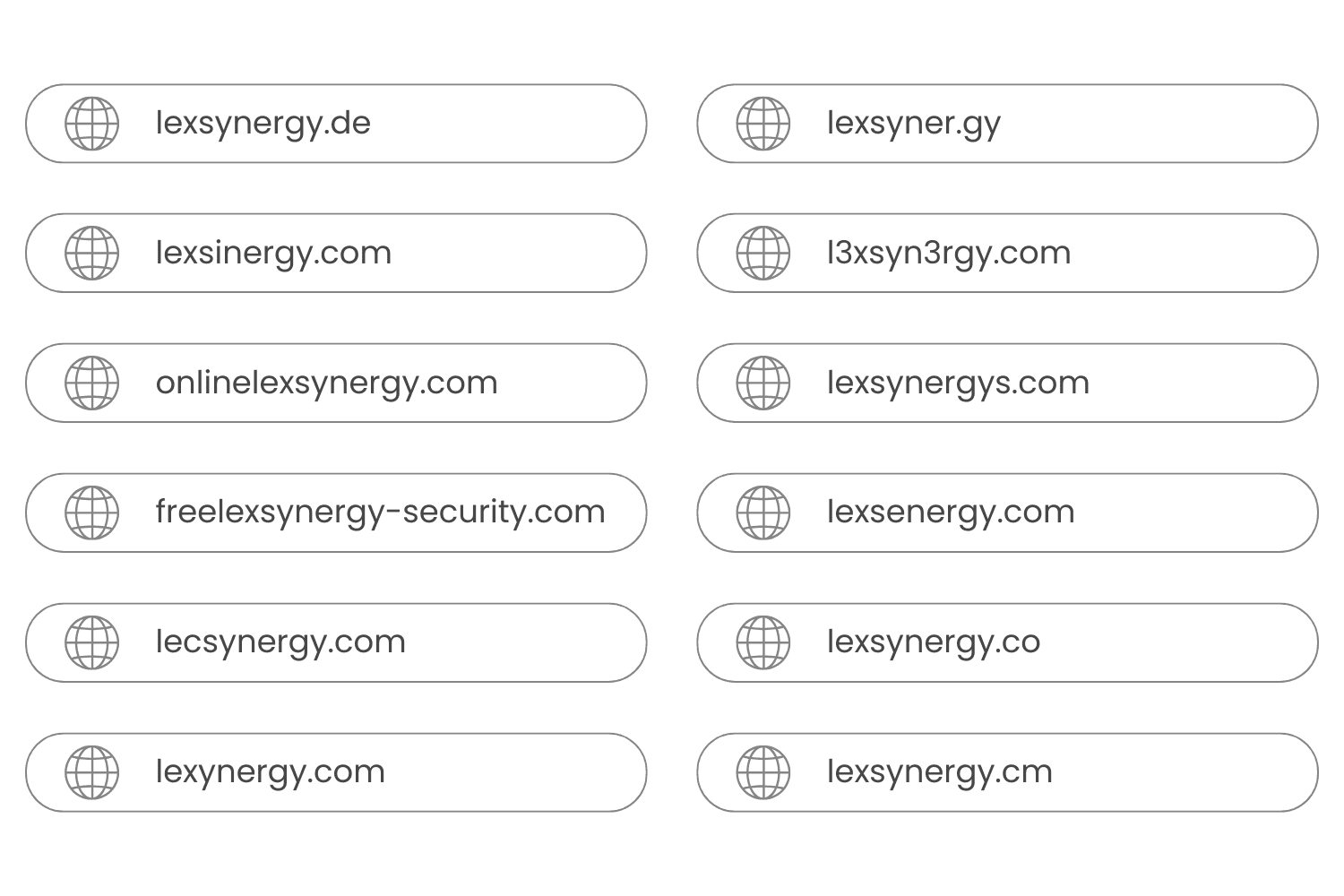
Cybersquatting, also known as domain squatting, occurs when an individual or entity registers a domain name that is similar to or identical to a trade mark or brand with the intention of profiting from it. The cybersquatter typically hopes to sell the domain at a much higher price to the trade mark owner or another party who is willing to pay for it.
For example, if you own the brand XYZStore.com, a cybersquatter might register XYZStoreOnline.com or XYZ-Store.com with the hope of selling it back to you or using it to mislead your customers.
While cybersquatting can sometimes involve the intentional misspelling of well-known trade marks (known as typosquatting), it also includes the registration of domain names that closely mirror a brand name or product.
Cybersquatting typically involves registering domain names that are confusingly similar to popular or established trade marks. The cybersquatter may exploit brand names, logos, or even the geographical region associated with a business to make a profit. In some cases, the cybersquatter may also use the domain for malicious purposes, such as:
Redirecting Traffic: A cybersquatter may set up a site that misleads users, directing them to a website with ads or other commercial content.
Selling the Domain: After registering a domain with a popular brand name or keyword, a cybersquatter may attempt to sell it at an inflated price to the rightful brand owner.
Phishing Scams: Some cybersquatters use similar domain names to trick users into entering sensitive information such as login credentials, leading to identity theft and fraud.
As a brand owner, if your domain is hijacked in this way, the consequences can be significant. Users who accidentally land on a cybersquatting site may be misled, confused, or even stolen from. This can cause irreparable damage to your brand’s reputation and erode customer trust.
The impact of cybersquatting on your brand can be far-reaching, affecting several aspects of your business:
If customers are redirected to a site that looks similar to your own, they may lose trust in your brand. This confusion can lead to negative perceptions and could damage your reputation, particularly if the cybersquatter’s site hosts offensive or inappropriate content.
If a cybersquatter registers a domain that closely resembles your own, they could siphon off valuable traffic. Potential customers who mistakenly type the wrong domain name will end up on the cybersquatter’s website, depriving you of the business you deserve.
Cybersquatters may attempt to sell the domain back to you at an inflated price. If you are forced to buy the domain, it could result in a significant financial loss. In some cases, you might not be able to reclaim the domain without engaging in a domain name dispute or costly legal action.
There have been several high-profile cases of cybersquatting in recent years, with notable companies taking legal action to reclaim their domains.
One example is Apple Inc. vs. iTunes.co.uk, where the domain had been registered privately by Benjamin Cohen, who later redirected it to rival music service Napster. Apple argued that the registration was abusive and took unfair advantage of its trade mark. They filed a complaint through Nominet’s dispute resolution procedure and successfully won the case, reclaiming the domain. Benjamin Cohen attempted to dispute the decision but eventually dropped his challenge, leaving Apple with undisputed ownership.
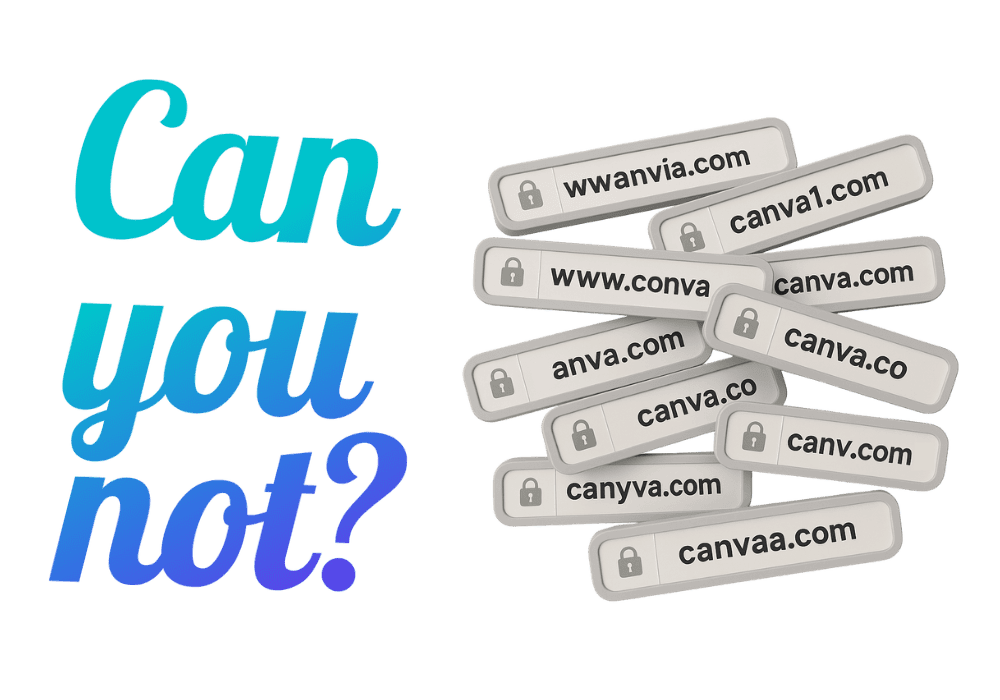
Another example is when Canva uncovered that a cybersquatter had registered 174 domains using their brand, some of which redirected users to misleading sites. Faced with the scale of the infringement, Canva opted for the most cost-effective solution, filing a single consolidated complaint with WIPO under the Uniform Domain Name Dispute Resolution Policy (UDRP). In 2024, the panel ruled in Canva’s favour and ordered all 174 domains to be transferred, highlighting how the UDRP is an effective method for tackling large-scale, targeted cybersquatting schemes.
These cases illustrate how even large, well-established brands are vulnerable to cybersquatting. It serves as a reminder that businesses of all sizes need to be vigilant in protecting their digital assets.
As a brand owner, there are several steps you can take to protect your business from cybersquatting:
An effective to protect your brand is to block third parties from registering domain names that could potentially be associated with your business through a domain blocking program. These blocking programs can include common misspellings, variations of your brand name, and relevant domain extensions. For example, if you own brandname.com, a domain block would block the registration of similar domains such as brandname.online and bradnname.io.
Use our Domain Watch service to keep track of any new domain registrations that may be similar to your own. This will allow you to spot cybersquatting attempts early and take action before they can cause damage.
Cybersquatting can pose serious risks to your brand, but with the right precautions, you can protect your digital assets from this malicious practice. By registering relevant domain names, blocking others and monitoring when new domain names are registered that use or are similar to your trade marks, you can reduce the potential impact of cybersquatting affecting your business.
If you are concerned about cybersquatting or need help securing your brand's domain names, Lexsynergy offers domain protection services to help safeguard your online presence. Contact us today to learn more about how we can help protect your digital assets from malicious actors.
Discover what HTTPS and SSL are, and why HTTPS is crucial for website security.

The environmental impact of owning a domain name is relatively low compared to other digital activities, but it is not zero.
Cybersquatting can also present legal challenges. If a cybersquatter is infringing on your trade mark or brand, you may need to take legal action to recover the domain. This process can be time-consuming and expensive.
Register any mission-critical identical matching domains not covered by a block.
If you find that a cybersquatter has registered a domain that infringes on your trade mark, you can file a domain complaint through Lexsynergy. We handle domain complaints through the appropriate forum so you can avoid costly court battles. We have a 100% success rate of recovering domains through a domain complaint mechanism. .
Learn what typosquatting is and how this common online threat can harm your brand.