
Sustainable Domain Management
Plant a tree by registering your next domain with Lexsynergy.
11 Nov 2024
Read now



The internet feels invisible: fast, wireless and weightless. However, behind every click, every email, every domain name, there is energy being consumed.
At Lexsynergy, we understand that even the smallest digital actions have an environmental impact and that is why we feel it is our moral obligation as a Domain Registrar to raise awareness around this.
How Much Energy Does A Domain Name Use?
You might be surprised to learn that owning a single domain name consumes energy every day, even if it is not actively hosting a website. This hidden footprint of a domain name breaks down into the following:

Registry Infrastructure
The registry is the authoritative entity that operates a top-level domain (TLD), such as Verisign for .com, Big Room for .eco, or Registry Africa .africa. Their main task is maintaining the central database of all registered domain names under that TLD, storing ownership records, status, expiry dates and other critical metadata.
Registries rely on powerful, always-on server infrastructure to maintain real-time updates, database replication and secure access. These servers live in data centres and consume energy 24/7/365, even for domains that receive no traffic.
Registrar Systems & Panel Access
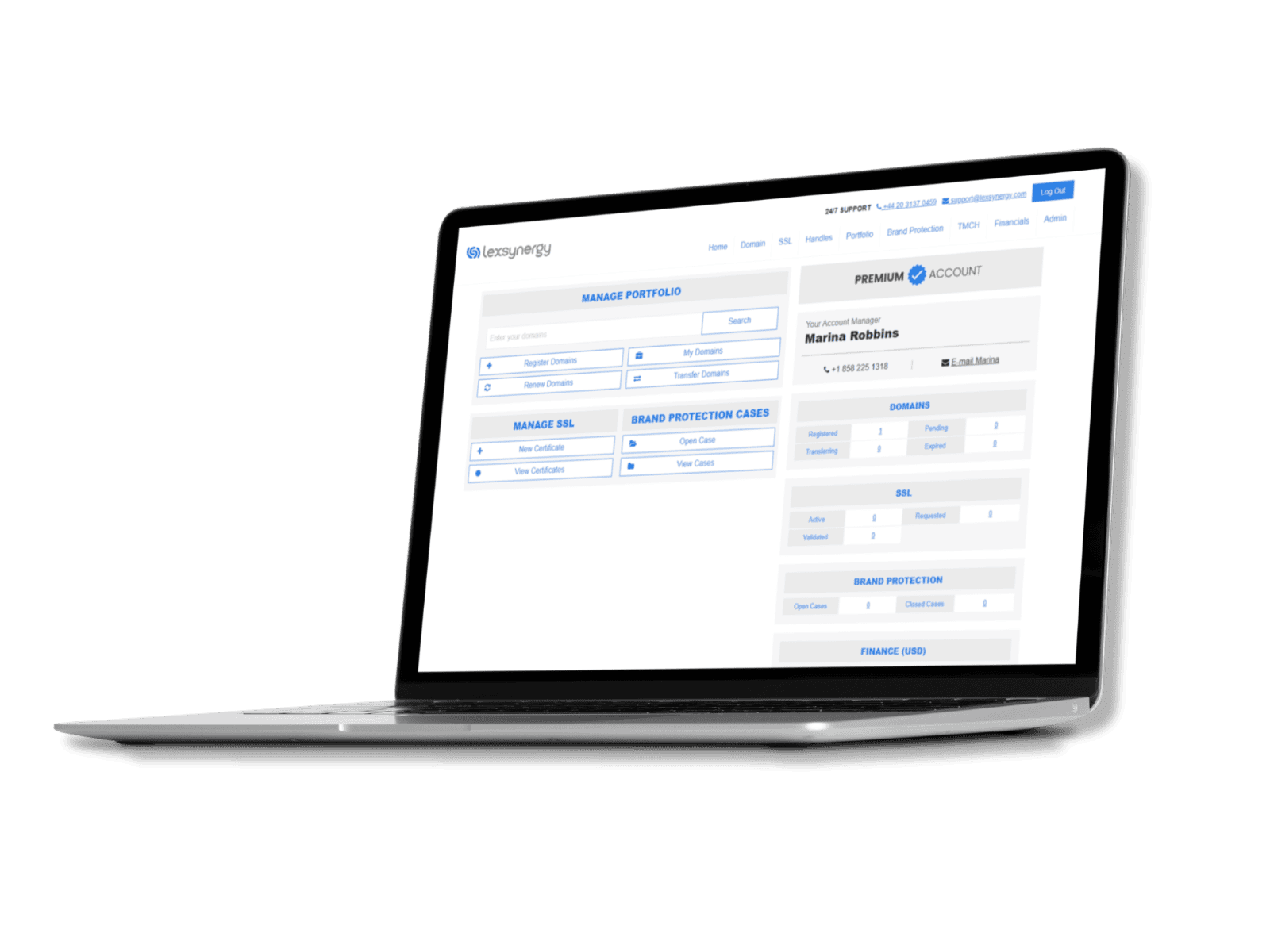
Registrars like ourselves serve as the interface between customers and registries. We provide domain search, registration, management, online brand protection and customer support. Your control panel, Application Programming Interface (API) access, domain locking and DNS management all operate through a registrar platform such as LASSI.
Each login, Domain Name System (DNS) edit, or renewal request triggers energy use from cloud servers or dedicated machines, contributing modestly to your domain’s carbon footprint.
DNS Queries
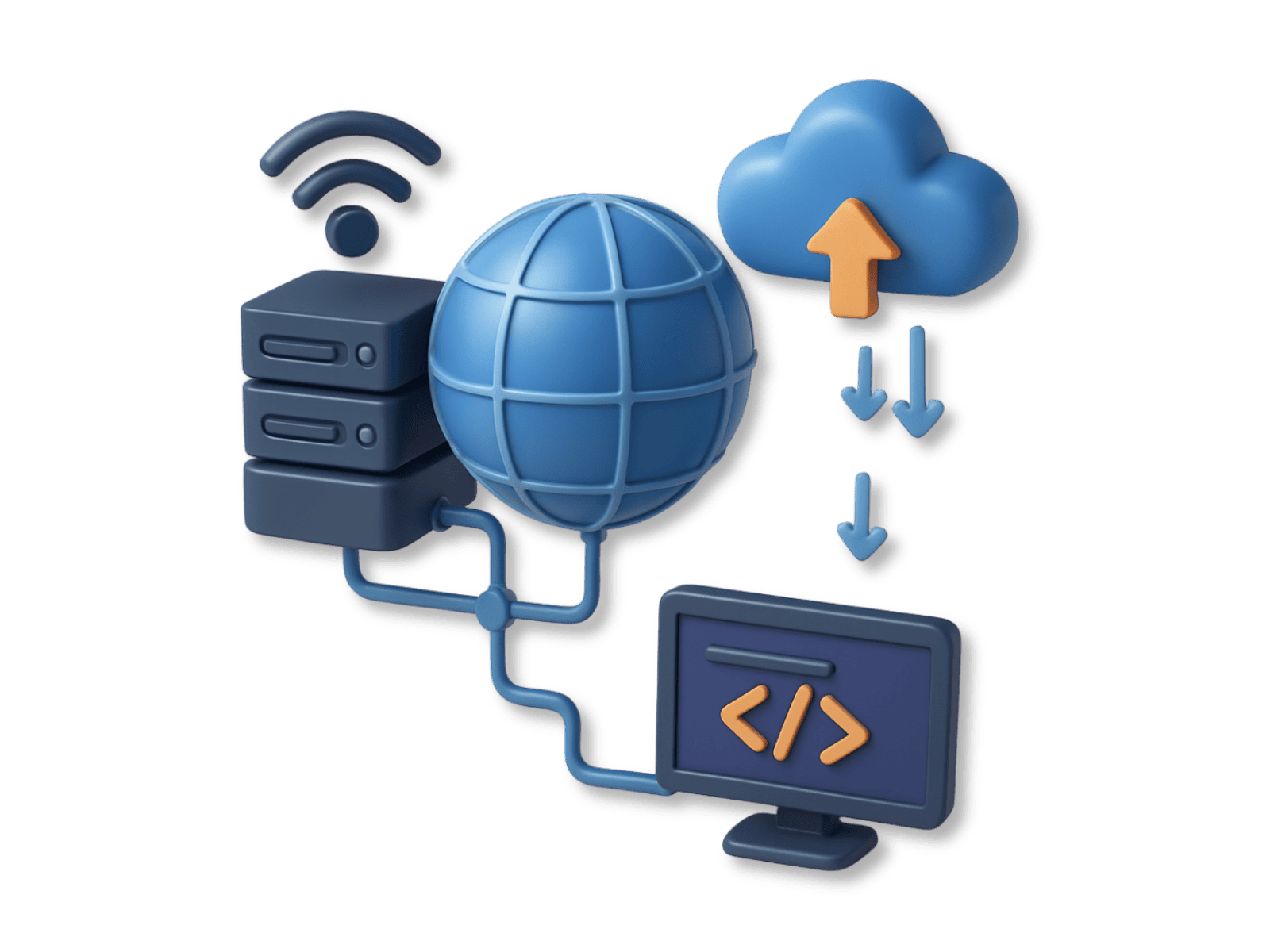
The DNS is like the phone book of the Internet. When someone types your domain into a browser, DNS translates it into a server IP address. This process often involves multiple lookup steps across multiple server types. Globally, DNS handles over 1 trillion queries daily, making it one of the most energy-intensive yet invisible functions of the web.
WHOIS, DNSSEC, Backups & Overhead
These are the supporting systems that provide essential services including public domain ownership lookup, cryptographic security to DNS queries, routine snapshots of domain records and general monitoring.
Estimated Annual Energy & CO₂ Emissions Per Domain
Based on current industry research and Lexsynergy's infrastructure profile, here is a typical breakdown for a single, active domain name (excluding website or hosting):
Component | Energy Use (kWh/year) | CO₂ Emissions (kg/year) |
Registry infrastructure | ~2.5–3.5 kWh | ~0.8–1.5 kg CO₂ |
Registrar systems & panel access | ~2–3 kWh | ~0.6–1.2 kg CO₂ |
DNS queries (~1,000/day) | ~3–4 kWh | ~0.9–1.6 kg CO₂ |
WHOIS, DNSSEC, backups, overhead | ~1 kWh | ~0.3–0.5 kg CO₂ |
Total (per domain/year) | ~8.5–11.5 kWh |

Lexsynergy’s Pledge: One Domain, One Tree
That is why for every domain name registered with Lexsynergy, we plant a tree through our Environmental Pledge.
Why a tree? Because nature has been doing carbon capture long before technology came along. A single tree can absorb around 10 kg of CO₂ per year, more than enough to offset the carbon footprint of even a heavily queried domain.
Through verified reforestation partners, Ripple Africa, we ensure that every tree planted contributes to carbon absorption, ecosystem restoration and local livelihoods.

Why It Matters
The domain name industry, like the rest of the Internet, is often overlooked when it comes to sustainability. However, with over 350 million domains registered worldwide, the cumulative impact is significant. The Internet now accounts for nearly 4% of global greenhouse gas emissions, more than aviation. Yet unlike aviation, the internet’s emissions are often invisible. That is why proactive registrars and tech providers are crucial to reducing the global footprint.
At Lexsynergy, we are proud to be part of this change, believing in accountability at scale. That is why our One Domain, One Tree pledge is not just symbolic, it is measurable, verifiable and ongoing.
Final Thoughts
In a world where the Internet is only growing, so too must our commitment to sustainability. Whether you manage one domain or one thousand, make sure the digital footprint you leave is a green one!
On World Environment Day 2025 and beyond, Lexsynergy invites you to engage with us to join the growing community that is working to build a better, greener internet.
Plant a tree by registering your next domain with Lexsynergy.

What is the difference and which should you be using?

Exploring the reasoning behind a decision that can save you thousands.